Elliot Short
We have stopped war before—and we can do it again. This report provides a brief overview of 180 cases of successful efforts to stop war since 1990.
It builds on decades of work by scholars, policy analysts, and journalists to help inform global efforts to reduce armed conflict, convince donors and governments to commit more resources to stopping war, and expedite the research of scholars and policy analysts.
Ore Koren
How long did peace last in these past cases of success? And what led to longer-term peace in some? Koren investigates 139 of the success cases from Elliott Short’s list and reveals that:
“Disarmament, Demobilization, and Reintegration (DDR), institutionalized change in/formalization of borders, successful military action, international intervention, and repatriation are generally associated with a lower risk of conflict renewal annually.”
“The involvement of two types of actors—regional bodies and foreign governments—appears to be a promising explanation for when a successful war-ending process will result in viable long-term peace.”
Roger Mac Ginty
The global models for peacebuilding are changing. Drawing on interviews with senior peacemakers and mediators, Mac Ginty explains what this means.
He helps us make sense of “the fragmentation of the rules-based international order, the increasing prominence of non-western peace actors, the stubbornness of the residual international order, and the impact of the so-called local turn.”
Roger Mac Ginty
What works in mediation? Thirty highly experienced mediators and peacemakers identify the most effective peacemaking strategies.
Their primary recommendation is building “sustained networks that enable communication between conflict parties.”
Priscilla Torres
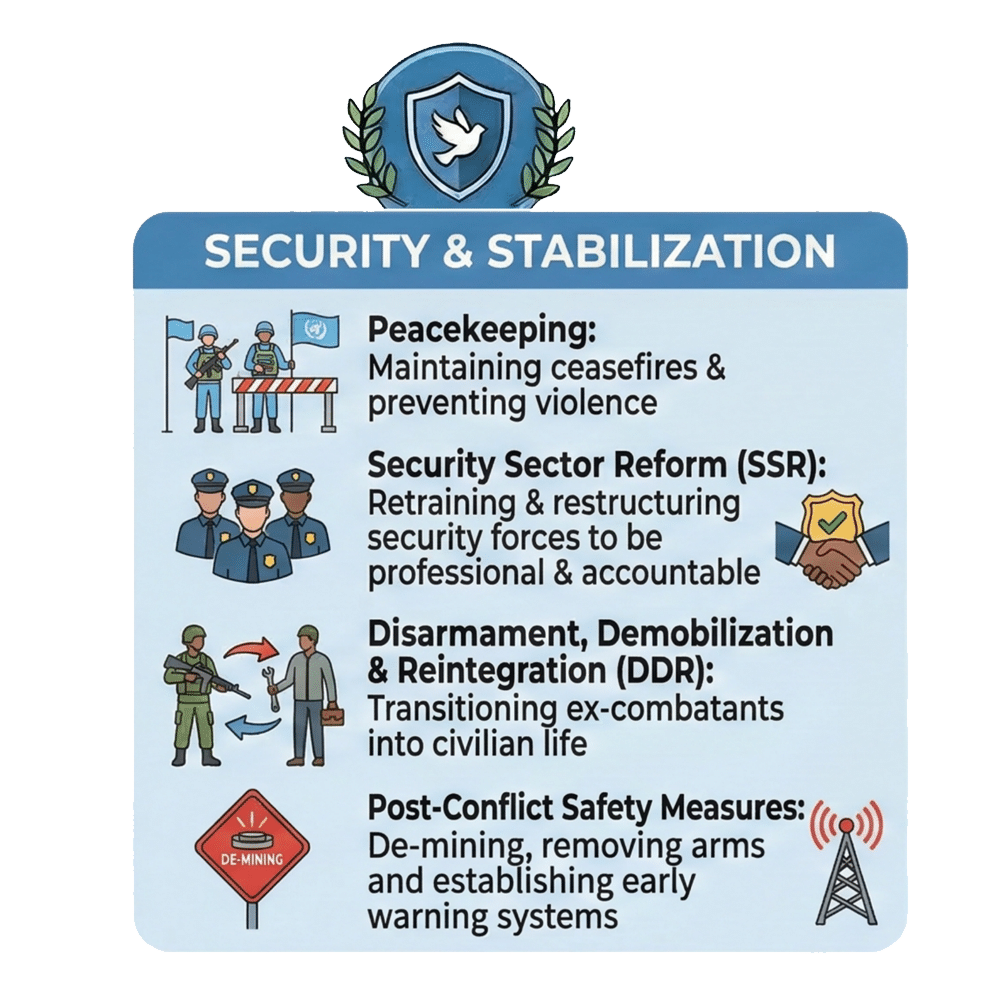
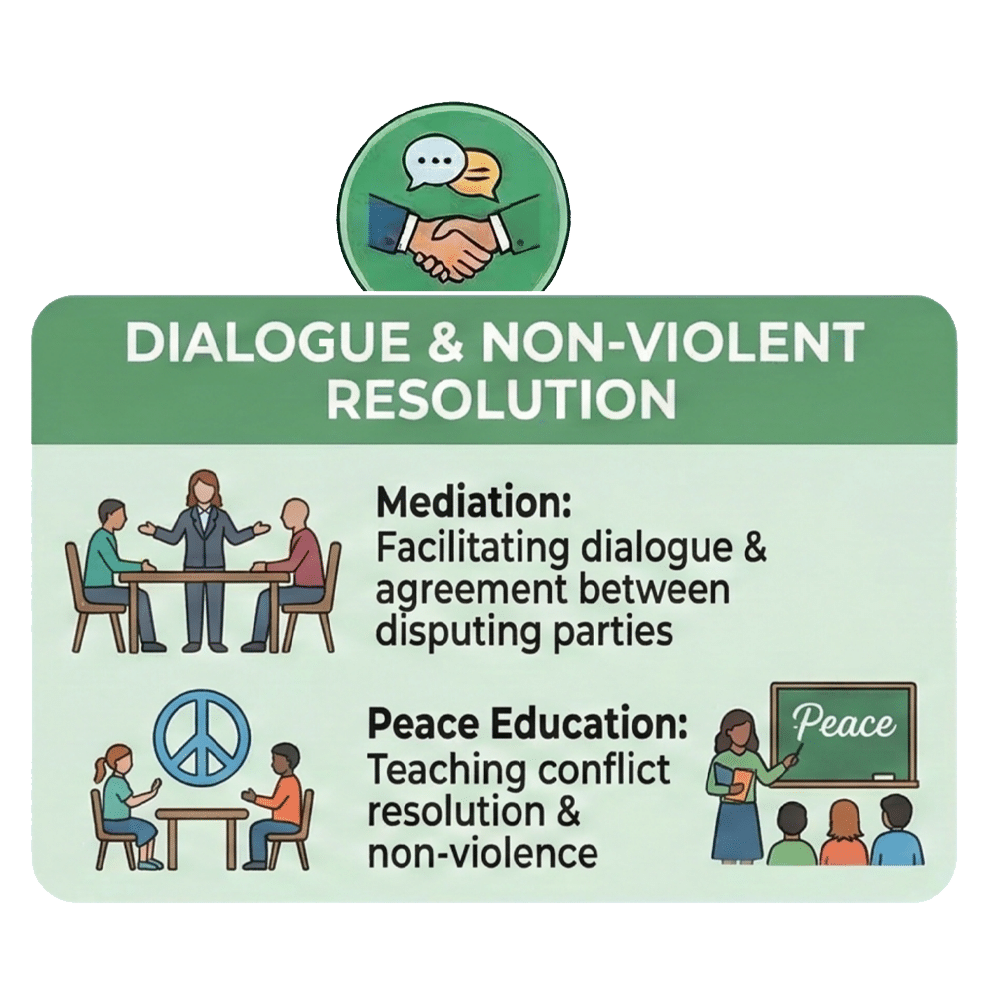
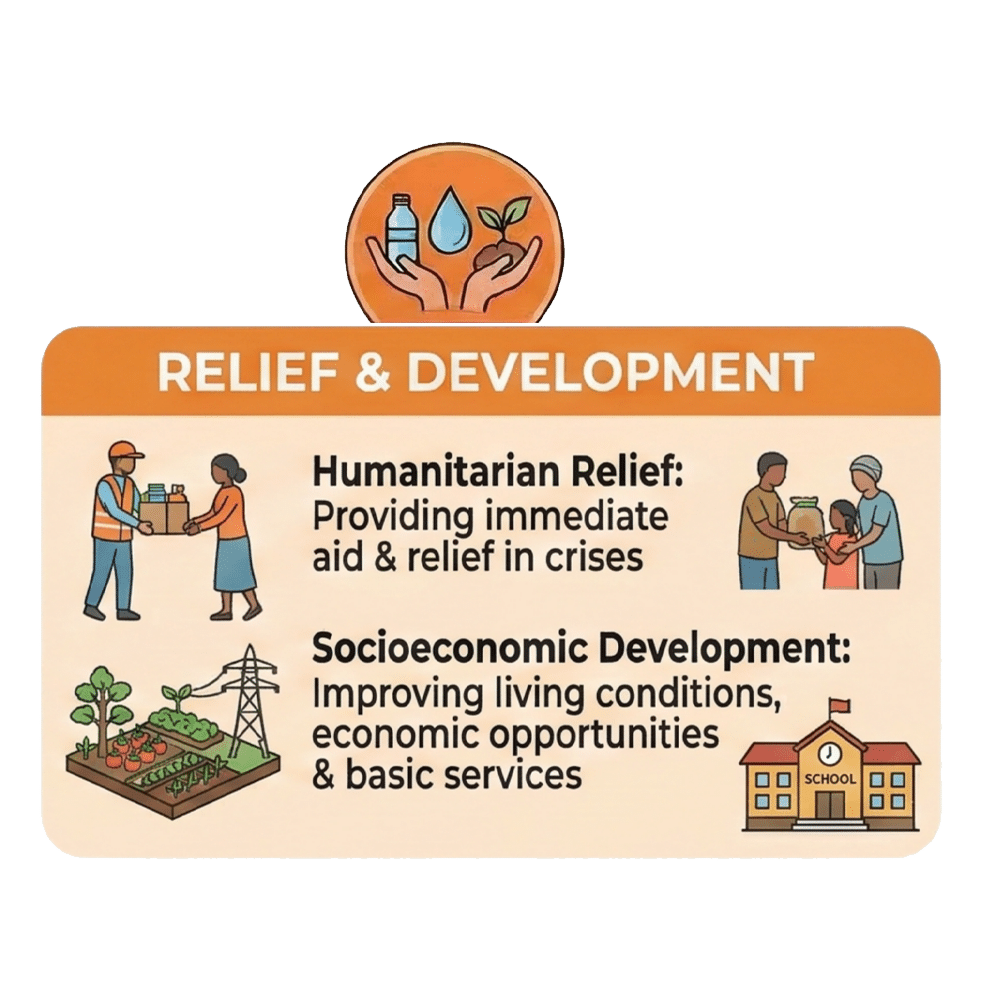
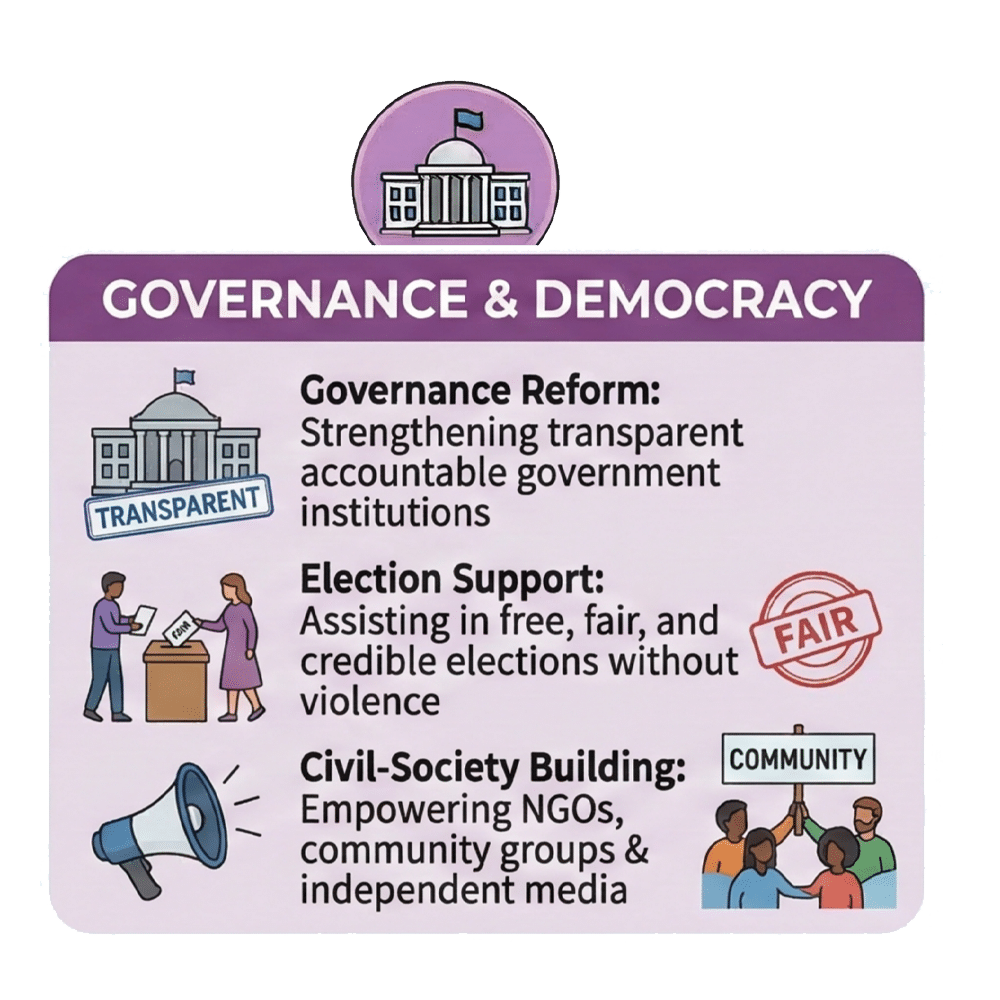
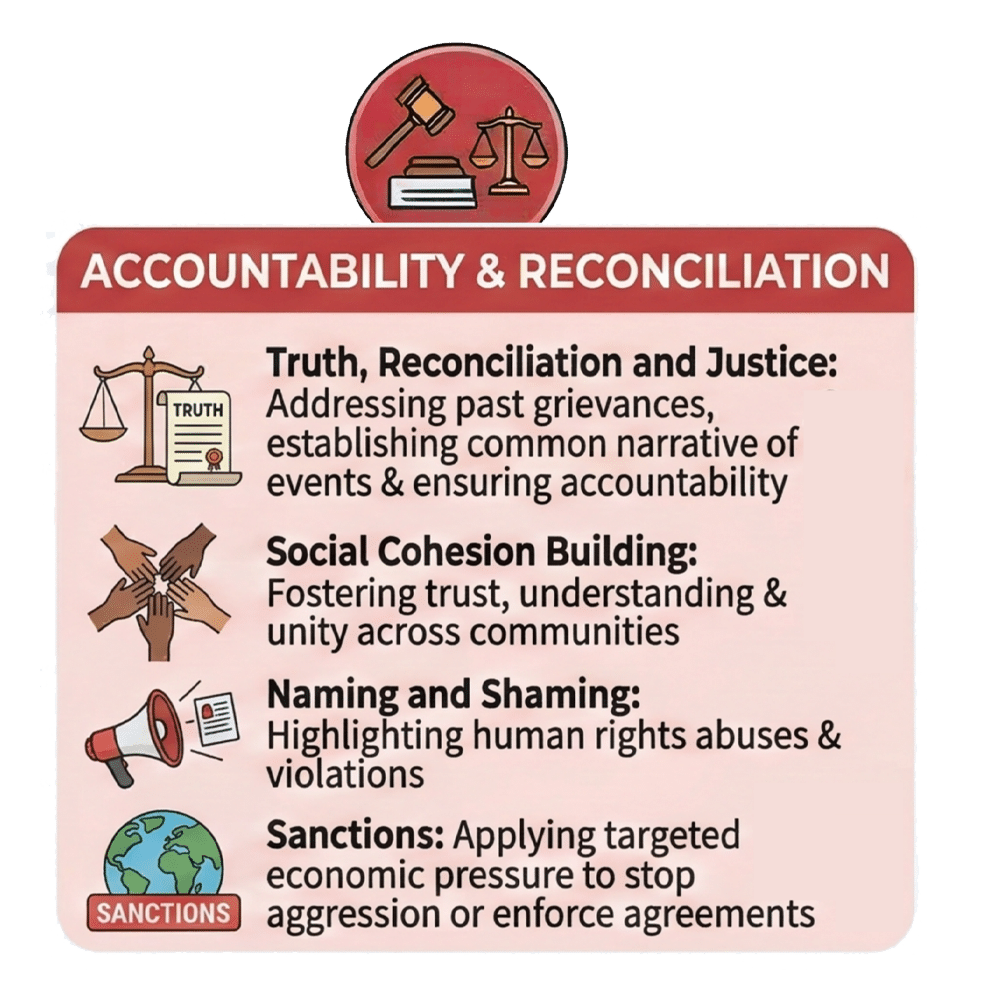
This literature review (1) develops a typology of efforts to foster peace, referred to as modalities of peacebuilding, and (2) summarizes peacebuilding scholarship to evaluate the evidence for which modalities reduce violence.
It also identifies knowledge gaps regarding the kinds of peacebuilding interventions that scholars have not thoroughly evaluated and highlights the geographic areas of the world that remain understudied.